Loading...
Serving Palm Springs, CA and surrounding areas. (442) 212-1787
Palm Springs Concrete serves Yucca Valley homeowners with retaining walls, driveways, patios, and foundations built for a desert that freezes in winter and bakes in summer. We know the high desert, the soils near Joshua Tree, and what it takes for concrete to last here. Written estimates, permits handled, replies within one business day.
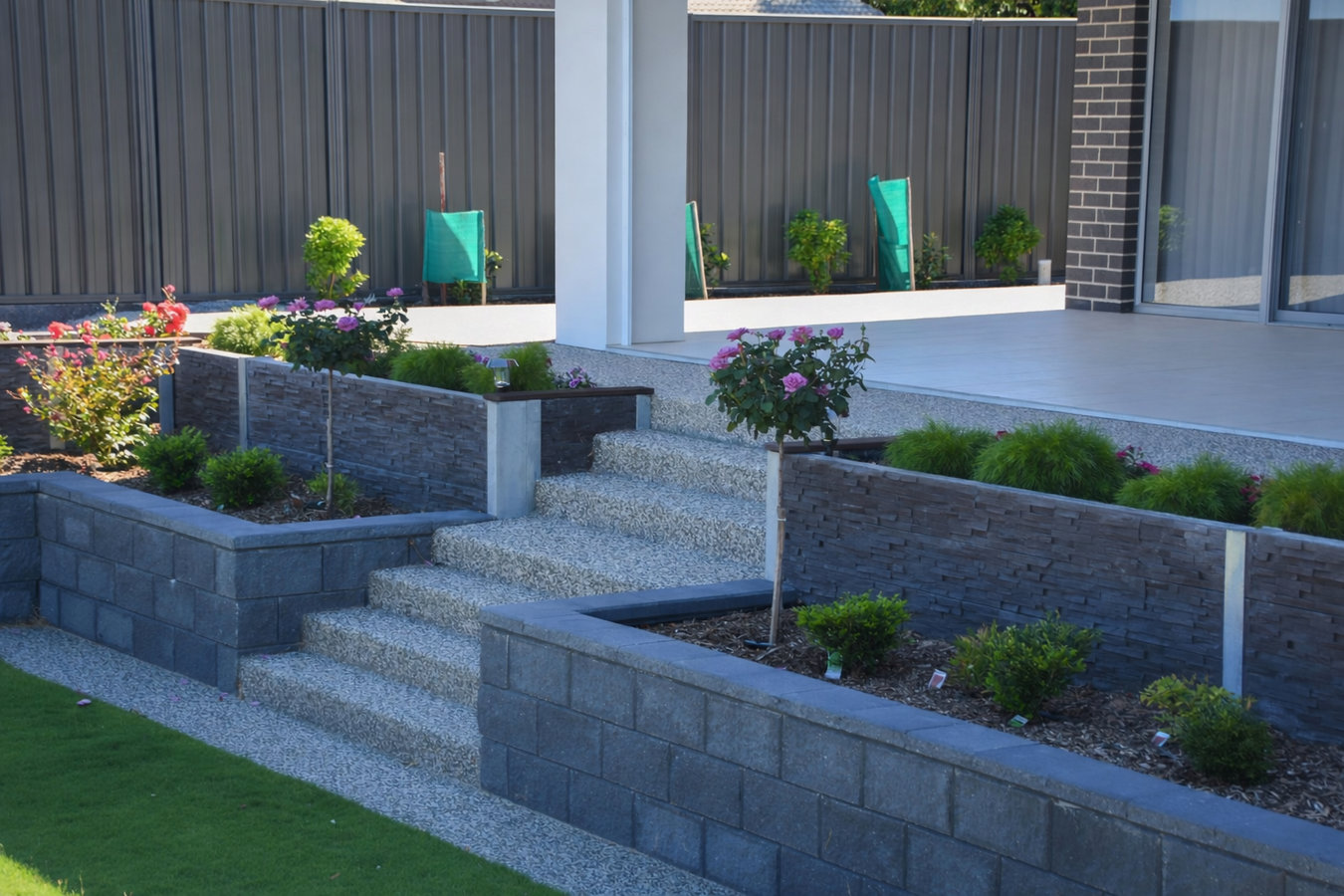
Yucca Valley properties - especially lots with rocky slopes, sandy fill, or grade changes from grading done during the 1950s through 1970s construction boom - often need retaining walls to hold back soil, prevent erosion during monsoon rain events, and create usable flat space. High-desert soil shifts after heavy rain and during freeze cycles, so these walls need proper footings, drainage, and reinforcement to last. See how we design and build them on the concrete retaining walls page.
Many Yucca Valley homes sit on larger lots with unpaved, sandy, or gravel driveways that become difficult to maintain and dusty year-round. A poured concrete driveway solves the dust problem, handles the weight of vehicle traffic without rutting, and resists the freeze-thaw damage that breaks up asphalt alternatives in the high desert. We specify a mix design for Yucca Valley elevation and climate so the slab holds up through real winters.
Yucca Valley has long, mild springs and pleasant fall evenings - the outdoor season here is real, and homeowners who take advantage of it want a patio that does not crack, heave, or need constant maintenance. Many older homes in the town core have original 1960s and 1970s patio slabs that have been through enough winters to need full replacement. We pour new reinforced slabs pitched for drainage, sealed at handoff, and built to last in this climate.
New construction, ADUs, and room additions in Yucca Valley require foundations designed for the high desert - meaning deeper footings to get below frost depth, mix designs that account for temperature extremes, and reinforcement for California seismic requirements. Sandy, rocky high-desert soil also shifts and settles differently than valley-floor alluvial soil, and we account for that in every foundation design.
Yucca Valley lots with grade changes - which are common given the rocky, uneven terrain throughout much of the town - need concrete steps that are built properly from the footing up. Steps that are poured on unsupported fill or sandy soil settle and crack within a few seasons. We build steps with proper base preparation and footings so the structure stays level and safe through years of freeze-thaw cycling.
Short-term rental properties near Joshua Tree National Park see heavy foot traffic from rotating guests, and cracked or uneven walkways are both a liability and a guest complaint. Year-round homeowners in established Yucca Valley neighborhoods also deal with frost-heaved panels and desert-floor settling that creates trip hazards. We replace damaged panels or pour new walkways with the joint spacing and mix strength to handle repeated freeze-thaw exposure.
Yucca Valley sits at roughly 3,300 feet above sea level in the Mojave Desert, and that elevation is the first thing any concrete contractor working here needs to understand. Winter nights regularly drop below freezing, and the area sees occasional snow - conditions that Palm Springs and the Coachella Valley never experience. The freeze-thaw cycle is the primary reason concrete fails faster in Yucca Valley than in lower-desert cities. Water enters a crack or surface pore, freezes overnight, expands, and forces the opening wider. Over a single winter, that process can turn a hairline crack into a structural failure. The intense summer UV at this elevation breaks down concrete sealers faster than at lower elevations, so surfaces that are not resealed on schedule become permeable and vulnerable well before they look damaged from the outside.
The housing stock in Yucca Valley adds another layer of complexity. Most homes were built between the 1950s and 1980s, when the town grew as a retirement and vacation destination. A large share of these homes have never had major concrete work done since original construction. The sandy, rocky desert soil in this part of San Bernardino County drains quickly but shifts and settles unevenly, especially under older slabs that were poured without modern base preparation standards. The monsoon rains in July and August drop a lot of water fast on soil that cannot absorb it quickly, and that flash-flooding can undermine concrete that was sitting on a stable base for years. Homeowners who bought here recently - many have moved from coastal cities in the last several years - often discover these issues when they start renovating.
Our crew works throughout Yucca Valley regularly, and we understand the local conditions that affect concrete work here. The Town of Yucca Valley Building and Safety Department handles permits and inspections for most concrete projects, and we pull permits directly through that office. The permit process is generally reasonable for residential work, though retaining walls over 30 inches and foundation projects require engineering and plan review, which adds lead time. We factor this into every project schedule so you are not waiting on a permit surprise mid-job.
Most of the residential areas we work in are concentrated along Highway 62 through the center of town, and in the neighborhoods branching off Pioneertown Road to the north and Adobe Road to the east. The variety of property types here is real - older ranch homes from the 1950s through 1970s, more recently renovated properties owned by people who moved from Los Angeles, and short-term vacation rentals in neighborhoods close to the Joshua Tree National Park entrance. Each type has its own maintenance rhythm and urgency, and we work with all of them.
We also serve homeowners in neighboring Desert Hot Springs to the south, which shares similar high-elevation concrete challenges. Jobs in both cities often follow the same project timing window - early morning summer pours before the heat peaks, and weather holds in winter to avoid frost within the cure window.
Reach us by phone at the number above or submit the estimate form on this page. We reply within one business day and ask a few questions about your project - scope, current concrete condition, access to the site - so the site visit is focused and efficient.
We visit your Yucca Valley property, assess the soil, grade, existing concrete, and any drainage issues that affect the design. We explain what we recommend and why, and we give you a written estimate with a clear scope and price before we leave. No surprise charges later.
We schedule the pour for a weather window that works for Yucca Valley - avoiding hard freeze forecasts in winter and scheduling early-morning summer pours to beat the peak heat. We handle any permit applications and coordinate the inspection schedule with the Town of Yucca Valley.
When the work is done, we clean up the site, seal the finished concrete, and walk you through curing instructions - including what to avoid on the slab during the first week. We do not leave until you have signed off on the work.
We serve Yucca Valley and the surrounding high desert. Written estimates, no obligation, and we handle permits when required.
(442) 212-1787Yucca Valley is a town of approximately 21,000 people in San Bernardino County, sitting at over 3,300 feet in the Mojave Desert. It is the largest community in the Morongo Valley area and serves as the main commercial hub for the high desert corridor that includes Joshua Tree and Twentynine Palms. The town has grown steadily in recent years, driven by remote workers and retirees relocating from coastal California cities in search of affordable desert living and open space. The result is a mix of long-established families, newly arrived homeowners renovating older properties, and investors running vacation rentals near the national park. Housing is predominantly single-family homes on generous lots, with a significant share of older ranch-style builds from the 1950s through 1970s. You can read more about the community at the Yucca Valley Wikipedia article.
The community anchors along Highway 62, which runs east-west through the center of town past the main commercial strip, the Hi-Desert Nature Museum, and the neighborhoods branching off on either side. Pioneertown Road leads north to the historic Pioneertown area and the landmark Pappy and Harriet's venue, which gives Yucca Valley a well-known identity beyond the desert. To the south, Highway 62 connects Yucca Valley to Palm Springs via the Morongo Valley corridor, and many Yucca Valley homeowners are familiar with contractors who serve both the high desert and the Coachella Valley. We are one of those contractors.
Get a durable, professionally poured concrete driveway that lasts for decades.
Learn MoreTransform your outdoor space with a custom concrete patio built to last.
Learn MoreAdd texture and color to concrete surfaces with decorative stamped patterns.
Learn MoreSafe, level concrete sidewalks installed to code for any property type.
Learn MoreStrong, smooth garage floor concrete that stands up to heavy vehicle use.
Learn MoreElevate any surface with custom decorative concrete finishes and designs.
Learn MoreEngineered concrete retaining walls that control erosion and grade changes.
Learn MoreProfessional concrete floor installation for residential and commercial spaces.
Learn MoreSlip-resistant, heat-tolerant concrete pool decks designed for desert living.
Learn MoreSturdy concrete steps built for safety, curb appeal, and long-term use.
Learn MoreSolid slab foundations poured right for new construction and additions.
Learn MoreExpert foundation installation services to support any structure confidently.
Learn MoreDurable commercial concrete parking lots designed for high-traffic performance.
Learn MoreProperly sized and poured concrete footings for stable structural support.
Learn MoreRaise and level settled foundations to restore structural integrity safely.
Learn MoreCall us today or submit the estimate form. We serve Yucca Valley and the surrounding high desert, and we reply within one business day.