Loading...
Serving Palm Springs, CA and surrounding areas. (442) 212-1787
Your foundation is the most permanent part of your home. We build slab foundations with the right reinforcement, proper soil prep, and desert-ready curing so your structure stands solid for decades.
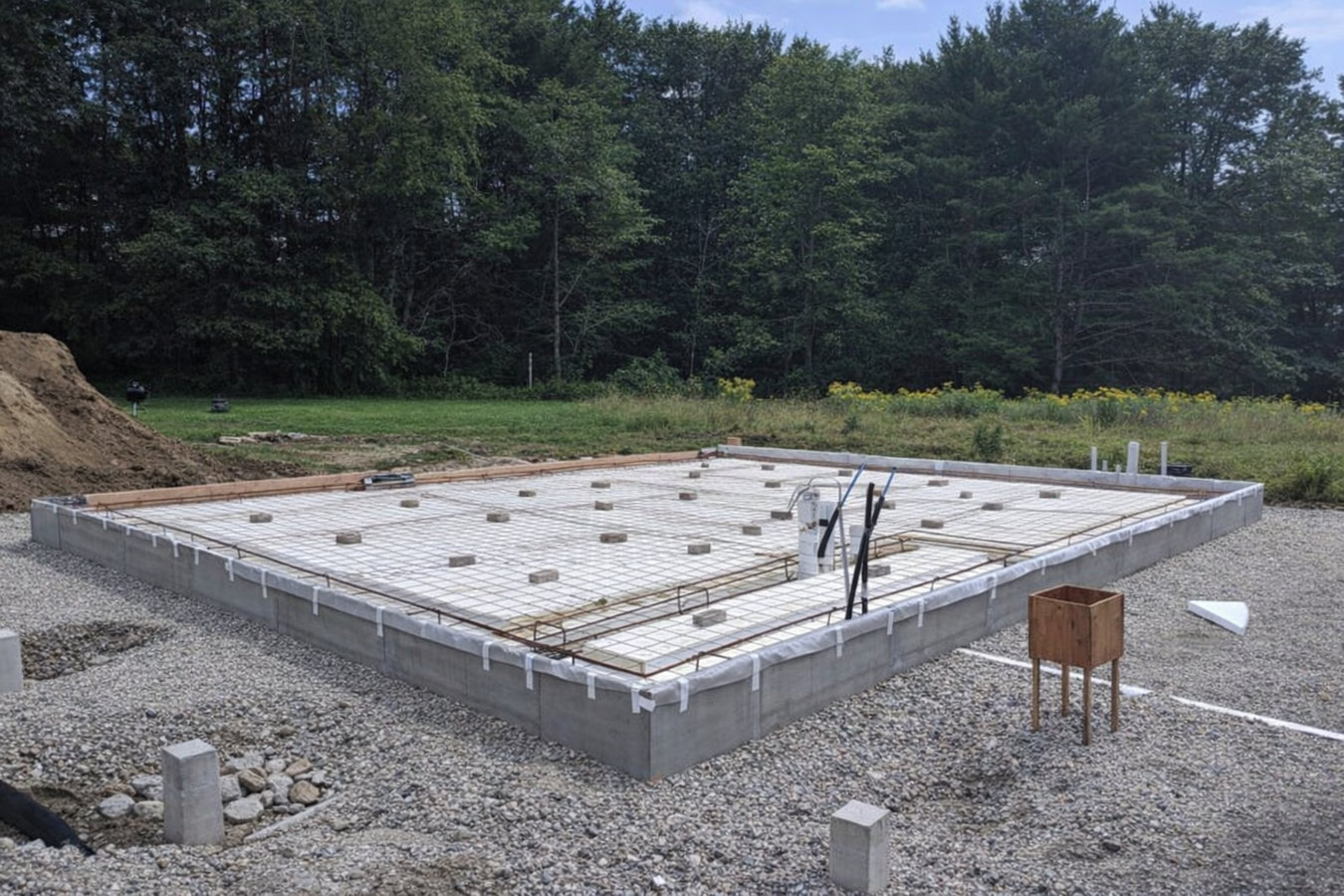
Slab foundation building in Palm Springs involves grading and compacting desert soil, placing a gravel base and moisture barrier, laying rebar in a grid pattern, and pouring concrete in a single session - most residential projects take three to seven days of active work, with a full timeline of four to eight weeks including permits and curing.
Palm Springs sits in one of the most demanding environments for concrete work in California. Sandy alluvial soils, temperatures above 110 degrees in summer, and proximity to the San Andreas Fault all shape how a slab needs to be built here. A foundation poured by a contractor who does not understand those conditions may look fine for a year or two and then start settling, cracking, or showing moisture problems.
Slab work connects directly to other structural projects. If you are building an addition that needs a foundation installation alongside new framing, or if the project requires concrete footings for load-bearing walls, we handle all of it as part of a coordinated scope.
The clearest sign you need a slab is a construction project starting from scratch. If you are building a new home, garage, casita, or room addition in Palm Springs, a concrete slab is almost certainly the right foundation type for the Coachella Valley's climate and soil conditions.
Small hairline cracks in a concrete floor are common and usually not serious. But if you can fit a pencil tip into a crack, or if cracks run diagonally from door and window corners, the ground underneath may be shifting. Sandy soils that were not properly compacted during original construction are a common cause in Palm Springs.
When a slab settles unevenly, the walls above it shift slightly. One of the first things homeowners notice is interior doors that start sticking, or gaps at the tops or sides of door and window frames. If this is happening in multiple spots - not just one door that has always been a little off - it is worth a professional look.
In the desert, this surprises homeowners - but it happens. If a slab was poured without a proper moisture barrier, ground moisture can wick upward through the concrete, causing flooring to buckle or a musty smell in a room. This is more common in older Palm Springs homes built before moisture barrier installation became standard.
We handle the full slab process from site grading to final city inspection. Every project starts with soil assessment and compaction work suited to Coachella Valley conditions - we never skip the gravel base or moisture barrier, and every pour includes a rebar grid following the approved permit drawings. We schedule pours for early morning in summer and use protective coverings to manage curing in the desert heat.
We manage the full permit process with the City of Palm Springs Building and Safety Division, including coordinating the pre-pour inspection that verifies your steel placement before anything is buried. If your project also requires foundation installation work for an attached structure, or concrete footings under load-bearing walls, we build those as part of a single coordinated scope.
Best for homeowners building a new home, garage, or ADU on a vacant lot or cleared site in the Coachella Valley.
Suited to owners adding a bedroom, office, or casita footprint to an existing Palm Springs property.
For properties where the original slab has settled, cracked, or was built without adequate reinforcement or moisture protection.
Required for most Palm Springs projects - includes additional rebar designed to meet California's earthquake zone requirements.
Three conditions make slab work in Palm Springs different from most of California. First, the sandy alluvial soils of the Coachella Valley - deposited over centuries by mountain runoff - shift and settle unless they are compacted properly and given a stable gravel base. Second, the proximity to the San Andreas Fault means California's building code requires more steel reinforcement in this region than in low-seismic areas, and a city inspector will verify that reinforcement is in place before concrete is poured. Third, summer temperatures regularly top 110 degrees, and concrete poured in afternoon heat can dry too fast and crack before it ever reaches full strength.
We serve the full valley, including property owners in Indio where new construction on large lots is common, and homeowners in Cathedral City who are adding casitas or converting carports to living space. If your neighborhood has an HOA with a design review process, we handle that coordination as well so your project does not stall waiting for approvals.
We schedule a site visit before quoting - a slab price without seeing your soil and access is not reliable. We assess the ground conditions, the scope of the project, and any site-specific challenges, then provide a written estimate covering labor, materials, and permit fees. Expect a reply within one business day of your inquiry.
We submit the building permit application to the City of Palm Springs on your behalf. Processing typically takes one to several weeks depending on complexity and the season. If your property is in an HOA that requires design review before construction, we handle that coordination at the same time to avoid back-to-back delays.
The crew grades, compacts, and lays the gravel base and moisture barrier - this step often takes longer than homeowners expect because Coachella Valley soils require thorough compaction work. After the rebar grid is placed, a city building inspector visits the site to verify everything meets the permit drawings before any concrete is poured.
Summer pours are scheduled for early morning. The concrete is placed, finished, and protected from the heat while it cures - you will not be able to walk on it for 24 to 48 hours and should avoid heavy loads for at least a week. A final city inspection closes the permit, and you receive documentation confirming the work passed - keep that paperwork when you sell.
We visit your site before quoting, pull all permits with the City of Palm Springs, and schedule pours around the desert heat - no surprises, no shortcuts.
(442) 212-1787Sandy Coachella Valley soils require more compaction work than soils in most of California, and skipping steps here is the most common cause of cracked slabs in the desert. We grade, compact, and base every slab to the conditions on your specific lot - not a generic template.
We submit the application, coordinate the pre-pour inspection with the City of Palm Springs, and close the permit when the job is done. You receive a copy of the closed permit - documentation that protects your home's value when it is time to sell or refinance.
The American Concrete Institute sets specific guidelines for hot-weather concreting - and we follow them. Every summer pour is scheduled for early morning, and we use curing protection to slow the drying process. A slab that cures correctly in the desert heat never needs to be repaired for the reason it was rushed.
Palm Springs sits near the San Andreas Fault, and California requires foundations in this region to carry more rebar than slabs in low-seismic states. We build that reinforcement into every pour, and the pre-pour city inspection verifies it is in place before the concrete goes down.
Every one of those proof points comes down to one thing: we build foundations the way this part of California actually requires, not the way it is done somewhere easier. The American Concrete Institute sets the standards we work from, and the city inspector who visits your site before the pour is an independent check that we followed them.
Full foundation installation for new construction and major additions, including site assessment, forming, and city permit coordination.
Learn MoreConcrete footings for load-bearing walls, posts, and structural columns - sized and reinforced for the Coachella Valley's seismic zone.
Learn MoreDesert construction season fills up fast - reach out today to lock in your site visit before permit timelines push your pour into peak summer heat.