Loading...
Serving Palm Springs, CA and surrounding areas. (442) 212-1787
Desert soils shift more than you expect. Concrete footings poured at the right depth - into stable, undisturbed ground - are what keeps fences, structures, and additions from settling or leaning over time.
Concrete footings in Palm Springs are poured below the active soil layer into stable, undisturbed ground, with rebar and hot-weather curing techniques suited to desert conditions - most residential footing projects are completed in one to three days.
A footing is the underground concrete base that transfers the weight of a structure - a fence post, a column, a retaining wall, a room addition - down into solid ground. In Palm Springs, the desert soil near the surface can be silty, sandy, or expansive clay. These soils shift with changes in moisture and temperature, which is why footings that only reach the surface layer fail over time, no matter how well the structure above them is built.
Footings are often the first step in a larger concrete project. If you are planning a foundation installation for an addition or ADU, or preparing for a foundation raising project, the footing work sets the stage for everything that follows.
A fence post or structural column that has begun to lean - even slightly - usually means the footing underneath it has shifted, cracked, or was never deep enough to begin with. In Palm Springs, this is common in older properties where fence posts were set in surface soil rather than concrete footings. Leaning posts put uneven load on the fence panels above and tend to get worse over time.
Diagonal or stair-step cracks in masonry near the base of a wall, column, or patio cover can signal footing movement below. When a footing settles unevenly - one side drops more than the other - the structure above it is forced to rack or twist, and that stress shows up as cracking. Catching it early is much less expensive than repairing the damage after significant settlement has occurred.
If you are adding a patio cover, carport, pergola, ADU, or room addition in Palm Springs, the city will require a footing inspection before framing can proceed. Having proper footings poured before the inspector visits is not optional - and a contractor who says you can skip the footing inspection is one to avoid.
Sometimes a previous contractor poured footings that met code at the time but are now undersized for a new load - like upgrading a carport to a full garage, or adding a second story above an existing structure. An engineer review will specify what the new footing dimensions and reinforcement need to be, and we can pour to those specs.
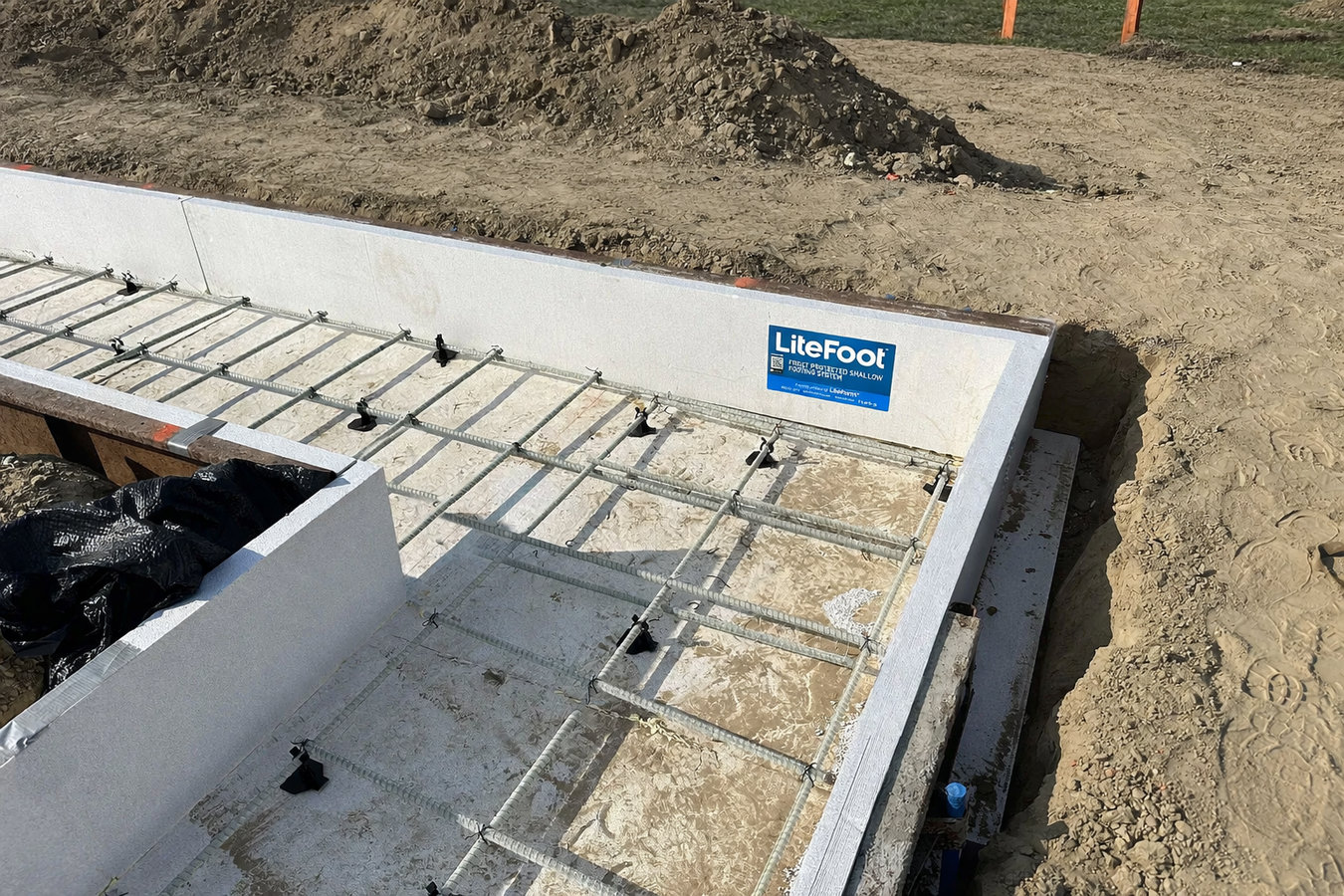
We pour concrete footings for fences, gates, carports, patio covers, pergolas, retaining walls, room additions, and accessory dwelling units throughout the Coachella Valley. Every footing project starts with excavation to stable soil below the surface layer, followed by rebar placement per the structural drawings, and a concrete pour using a mix suited for desert heat conditions. For projects requiring a permit, we coordinate the footing inspection with the city before the pour so the job is not delayed waiting for an inspector.
Footings often lead directly into other structural work. Our foundation installation service handles full foundation systems for additions and new structures, while our foundation raising work addresses existing foundations that have settled and need to be brought back to level.
For homeowners replacing wood posts with concrete-footed steel or aluminum fence systems that will not lean over time.
For covered outdoor structures that need a permitted footing to pass city inspection before framing begins.
For room additions, ADUs, and accessory structures that require engineer-specified footing depths and reinforcement.
For commercial properties that need footings for light poles, equipment pads, perimeter fencing, or signage bases.
Two things make footing work in Palm Springs more demanding than in most parts of California. First, the desert soils across the Coachella Valley range from sandy and silty near the valley floor to clay-heavy soils in certain neighborhoods near the foothills - and clay soils expand when they absorb moisture and shrink when they dry out. That repeated swelling and shrinking exerts upward pressure on footings that were not designed for it. Second, summer temperatures above 110 degrees can cause freshly poured concrete to lose moisture too quickly, which weakens the final product. Managing both of these factors - soil behavior and heat - requires experience with local conditions, not just a standard mix design from a cooler climate.
We work regularly with homeowners in Palm Desert where residential additions and backyard structure permits are common, and in La Quinta where newer communities are seeing active ADU construction. Each city has its own inspection process and code interpretations, and we handle the paperwork so your project does not stall waiting on city response.
Tell us what the footings need to support and where the project is located. We will schedule a site visit - footing quotes without seeing the soil and the proposed layout are not reliable. We send a written estimate with footing dimensions, depth, reinforcement, and permit cost if applicable. Expect a reply within one business day.
For permitted structures, we submit the permit application and coordinate the footing inspection with the city before work begins. The inspector needs to see the excavated holes and rebar before concrete is poured. We schedule around the inspector's availability so your project does not sit waiting.
The crew hand-digs or machine-digs to stable soil, cleans loose material from the bottom of each hole, places rebar per the drawings, and pours concrete at the correct slump for the conditions. Summer pours are scheduled for early morning and moisture is retained during the first 48 hours to prevent fast drying.
After a minimum cure period - typically 24 to 72 hours before backfilling around the footing - we complete the final steps and coordinate the inspection sign-off if the permit requires it. We walk you through the finished work and let you know when the footing is ready for the next phase of the project.
We visit the site, check the soil, and give you a straight written quote with no guessing. Call or send a request - we reply within one business day.
(442) 212-1787The code minimum is a starting point - not always sufficient for Coachella Valley soil conditions. We excavate until we reach undisturbed, stable ground, which may be deeper than the minimum in areas with loose sandy or expansive clay soils. That extra depth is the difference between a footing that holds for decades and one that shifts in a few seasons.
Concrete placed in 100-degree heat dries faster than the chemistry allows, and the result is a weaker footing. We schedule morning pours in summer, use concrete mix designs suited for hot weather, and apply moisture retention immediately after finishing. The American Concrete Institute sets the hot-weather concrete standards we follow on every desert pour.
Footing permits require a city inspection before concrete is placed - if you pour before the inspector visits, you may be required to demolish and redo the work. We schedule inspections proactively so your project moves forward without unexpected stops. This is especially important for ADU and addition permits, where city departments are coordinating multiple inspections.
We pour concrete footings from Desert Hot Springs and Yucca Valley in the north to La Quinta and Coachella in the south. Every city in the valley has its own code office and inspection process, and we have worked with all of them. That means no learning curve and no delays from a contractor unfamiliar with local requirements.
The footing is the part of the project you never see again once it is buried - which is exactly why getting it right the first time matters. We have been pouring footings in the desert long enough to know what it takes to make them last.
Existing foundations that have settled unevenly can often be raised and stabilized before the damage above them gets worse.
Learn MoreFull foundation systems for room additions, ADUs, and new structures - the next step after footings are approved and inspected.
Learn MoreThe right depth, the right mix, and the inspection done before the pour. Call today or request an estimate online - we reply within one business day.