Loading...
Serving Palm Springs, CA and surrounding areas. (442) 212-1787
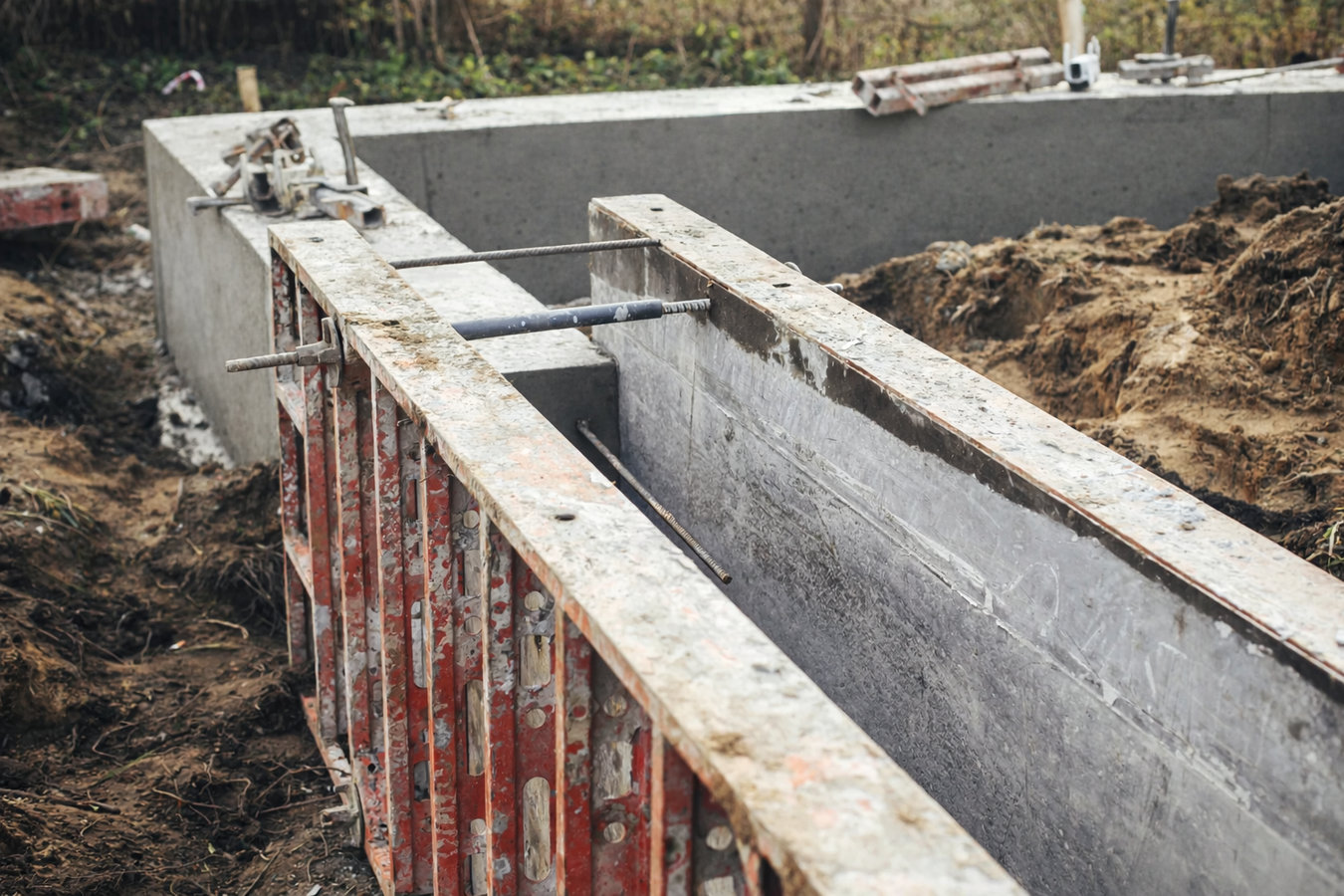
Desert soil shrinks in the heat and shifts after rain. When a slab settles, we lift it back to level - no demolition, no full replacement.
Foundation raising in Palm Springs lifts sunken concrete slabs back to their original position by pumping material beneath them to fill voids and push the surface up - most residential jobs are completed in a single day with no need to vacate your home.
In Palm Springs, slabs settle for specific reasons: the sandy and clay-mixed desert soils beneath them shrink during the long, hot summers, pulling away from the concrete and creating hollow spaces underneath. Once those voids form, the slab above them drops. Foundation raising fills those voids and restores a level surface without tearing out the existing concrete. It costs far less than full replacement and, when done right, the results hold for years.
Raising a settled slab is often paired with other foundation work. If you are dealing with a broader structural issue, our slab foundation building service handles new pours from the ground up, and our concrete cutting service can remove sections that are too damaged to lift before replacement concrete is poured.
If interior doors have started dragging on the floor or exterior doors no longer latch without force, the frame around them may have shifted because the slab beneath has moved. In Palm Springs, this often appears after a hot, dry summer when the soil has contracted significantly. It tends to show up gradually - a little more force each season - until the door stops closing altogether.
Walk along the base of your interior walls and look for gaps that were not there before. A gap between the baseboard and the floor - or between a wall and the ceiling - suggests the slab has dropped in one area while the rest of the structure stayed put. This is especially common in Palm Springs homes built in the 1950s and 1960s, where decades of heat cycles have had time to work on the soil.
Stand in the middle of a room and notice whether the floor feels level. A marble placed on the floor will roll toward the low spot if the slab has settled unevenly. This kind of gradual slope is easy to miss until it becomes pronounced, but catching it early makes lifting easier and less expensive than waiting for the drop to get worse.
Step outside and check the concrete around your home's perimeter - the patio, walkways, and the concrete apron near the foundation. Diagonal cracks at the corners of windows or doors, or stair-step cracks in stucco, often signal that the ground beneath has shifted. In Palm Springs, these cracks frequently appear after the hottest months of the year when soil shrinkage peaks.
We lift settled slabs using two methods: mudjacking, which pumps a cement-and-soil mixture under the concrete to fill voids and raise the surface, and polyurethane foam lifting, which injects a lightweight expanding foam that cures faster and leaves smaller holes. Both methods work by filling the empty space beneath the slab and pushing it back to level. The right choice depends on the size of the slab, how far it has dropped, and local soil conditions - we assess all of that during the on-site estimate.
Foundation raising pairs naturally with other structural work. When a slab has settled so far or cracked so badly that it cannot be raised, our concrete cutting team can remove the damaged section before a fresh pour goes in. For homeowners building additions or new structures, our slab foundation building service handles full new foundation systems from the ground up.
For homeowners who need a cost-effective lift on a larger slab area and can allow 24 hours before foot traffic.
For homeowners who need faster cure times and smaller injection holes, especially on pool decks and patios with finish surfaces.
For slabs where the underlying void is the problem, not yet a visible drop - fills the gap before settling starts.
For Palm Springs homes where irrigation or site drainage is contributing to settling - we identify the cause so the fix holds long-term.
Palm Springs sits at the edge of a broad alluvial fan at the base of the San Jacinto Mountains, and the soils across the Coachella Valley range from sandy and silty near the valley floor to clay-heavy in neighborhoods closer to the foothills. Clay soils expand when wet and contract sharply when dry - and in a city where summer temperatures regularly exceed 110 degrees, that dry-and-shrink cycle happens fast and repeatedly. The result is that slabs in Palm Springs settle more often and more quickly than in cooler, wetter parts of California. The problem is not unique to older homes - even slabs poured in the last decade can settle if drainage around the foundation is not managed properly.
We work regularly with homeowners in Desert Hot Springs, where the combination of older housing stock and expansive desert soils makes slab settling a common issue, and in Indio, where a mix of mid-century and newer tract homes sits on Coachella Valley soils with similar settling patterns. Soil conditions and irrigation habits vary by neighborhood, so we look at both during every estimate.
We will ask a few basic questions - where the problem is, how long you have noticed it, and whether there are visible cracks. We reply within one business day and schedule an on-site estimate, which is free with no obligation to move forward.
We walk the affected area, check how far the slab has dropped, and look for what caused the settling - nearby irrigation, soil erosion, or old tree roots. We also check that the concrete itself is solid enough to lift safely. You get a written estimate before any work is scheduled.
You do not need to move furniture or leave your home. The crew marks the injection points, drills small holes through the slab, and pumps the lifting material underneath. Most jobs are finished within a few hours to a full day. You will hear the equipment running and may feel a slight vibration - nothing loud or highly disruptive.
Once the slab is level, the crew fills and patches the drill holes with a concrete mix. The work area is cleaned before the crew leaves. We walk you through what was done and what to watch for - including how to manage irrigation near the repaired area, which is the single best thing you can do to protect the results long-term.
Free on-site estimate. No commitment required. We reply within one business day.
(442) 212-1787The Coachella Valley's soils - sandy near the valley floor, clay-heavy near the foothills - behave differently than soils in other parts of California. We have worked on slabs throughout the valley and understand how local soil movement causes settling here. That local knowledge shapes how we assess each job and which lifting method we recommend.
Not every sunken slab should be lifted. If the concrete is too far gone - badly fractured, crumbling, or broken apart - we will tell you that replacement is the better call. We would rather give you an honest answer upfront than lift a slab that will fail within a year. That kind of straight talk is what earns repeat business in a small city like Palm Springs.
Lifting a slab without understanding why it sank is a short-term fix. During every assessment, we look at drainage patterns, irrigation placement, and nearby landscaping to find what caused the settling in the first place. We give you a clear picture of what to watch for after the job is done, so the results actually hold.
We confirm permit requirements with the City of Palm Springs Building and Safety Division before any work begins and handle the paperwork if a permit is needed. You will not face a surprise stop-work order or a compliance issue when you go to sell. California contractor licensing is publicly verifiable through the state licensing board, and we are happy to provide our license information before any work starts.
These are the things that separate a foundation raising job that holds from one that needs to be redone in two years. We take them seriously on every project, whether the slab is a small walkway or a full perimeter around a mid-century home.
For permit guidance, see the City of Palm Springs Building and Safety Division. For information on industry standards for concrete work, visit the American Concrete Institute. For details on California soil and geology conditions, the U.S. Geological Survey is a reliable reference.
Remove damaged or unsalvageable slab sections cleanly before replacement concrete goes in.
Learn MoreFull slab foundation pours for additions, ADUs, and new structures on desert-ready soil prep.
Learn MoreDesert soil keeps moving - the sooner a settled slab is addressed, the less damage builds up. Call us or submit a request and we will respond within one business day.